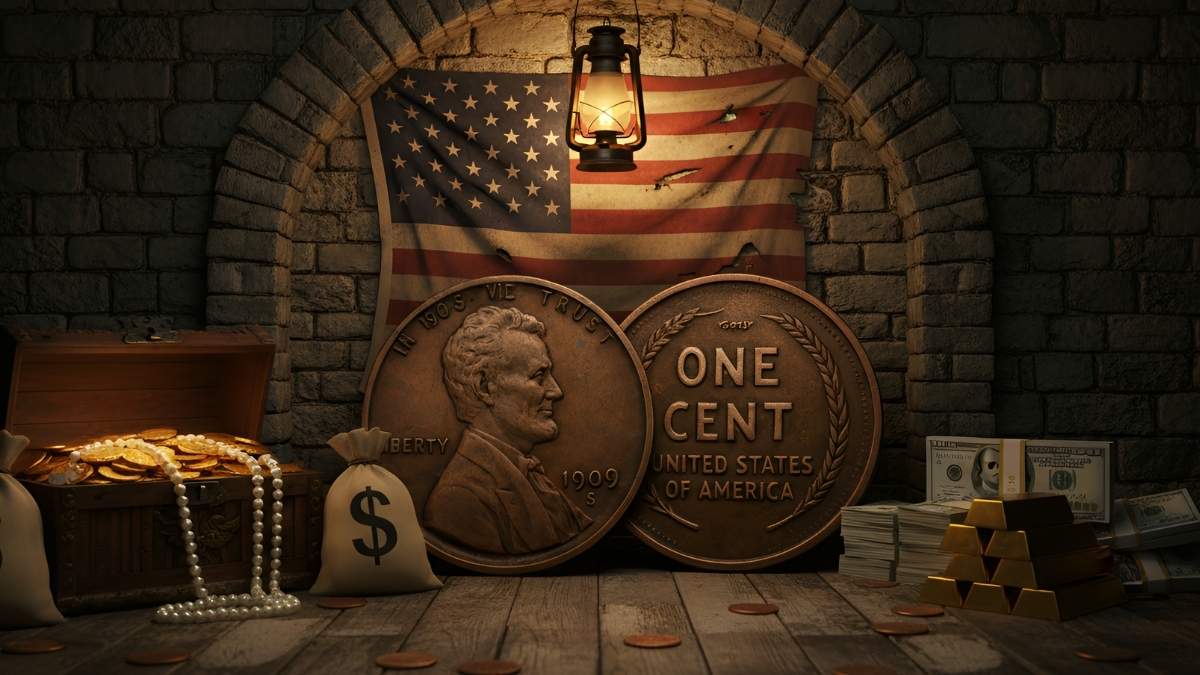
Rare Coin Alert: The Lincoln Wheat Penny, minted from 1909 to 1958, remains one of the most beloved coins in American numismatics. Designed by Victor David Brenner, it features Abraham Lincoln on the obverse and two wheat stalks on the reverse. This design not only honored Lincoln’s centennial but also introduced a new era of coinage that celebrated American history and culture.
Why Certain Wheat Pennies Are So Valuable
While billions of Wheat Pennies were produced, certain issues stand out due to rarity, mint errors, or historical significance. Coins with low mintages or unique varieties can command extraordinary prices. A rare Lincoln Wheat Penny valued at 567,000 dollars demonstrates how scarcity and condition can elevate a simple one-cent coin into a collector’s treasure.
Key Factors That Define Value
The value of a Wheat Penny depends on several critical factors:
- Mintage numbers: Lower production runs increase rarity.
- Mint marks: Coins struck at San Francisco or Denver often carry special appeal.
- Condition: Uncirculated or high-grade examples are worth far more than worn coins.
- Errors and varieties: Doubled dies, off-center strikes, and repunched mint marks can dramatically boost value.
Famous Rare Wheat Pennies
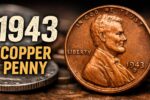
Several Wheat Pennies have achieved legendary status among collectors. The 1909 S VDB penny, with its limited mintage and controversial initials, is one of the most famous. The 1943 copper penny, mistakenly struck during wartime when steel was used, is another rarity that has sold for hundreds of thousands of dollars. These examples illustrate how unique circumstances create lasting value.

Tips to Identify Rare Wheat Pennies
Collectors can use practical steps to spot valuable coins:
- Check the date and mint mark carefully, especially for low mintage years.
- Look for unusual features such as doubling in the lettering or numbers.
- Examine the coin’s condition under good lighting to assess wear and luster.
- Use magnification tools to detect small errors or varieties.
- Consult grading services for professional evaluation and certification.
How to Value Your Coins
Valuing coins requires a blend of research and expertise. Price guides provide general ranges, but actual value depends on demand and condition. Auction records offer insight into what collectors are willing to pay. Professional grading services assign numerical grades that help standardize value. For rare Wheat Pennies, certification is often essential to achieve top prices.
The Collector’s Market in 2026
As of 2026, interest in rare coins remains strong. Collectors continue to chase Wheat Pennies for their historical significance and investment potential. Online marketplaces and auction houses provide global platforms for buying and selling, ensuring that rare finds attract competitive bidding. The Lincoln Wheat Penny’s enduring popularity guarantees that it will remain a cornerstone of numismatic collections.
Everyday Change and Hidden Treasures
The idea of discovering a rare Wheat Penny in everyday change continues to inspire collectors. While the odds are slim, stories of unexpected finds fuel the passion for searching. Coin rolls, old jars, and inherited collections often yield surprises. The thrill of discovery keeps the hobby alive, reminding us that treasures can sometimes be hiding in plain sight.
Lessons From Rare Wheat Pennies
These coins teach us that value is not only about money but also about history and narrative. Each rare penny carries a story of its time, whether it is a design controversy, a wartime error, or a limited mintage. Collectors cherish these stories as much as the coins themselves, making Wheat Pennies a lasting part of numismatic culture.
The Future of Coin Collecting
With technology making authentication easier and global markets expanding, coin collecting continues to evolve. Yet the essence of the hobby remains rooted in passion, history, and discovery. Rare Wheat Pennies will inspire new generations, serving as benchmarks for rarity and desirability. Whether found in a collection, at auction, or in the unlikely event of everyday change, they represent the enduring magic of numismatics.